

The Genova GI Effects Comprehensive Profile is a stool test that reads the gut as a working system rather than screening for a single pathogen. It’s built for functional interpretation — the composition of your microbiome, how well you’re digesting and absorbing food, whether your intestinal lining is inflamed, and what metabolites your bacteria are producing.
The sample is collected at home over a single day and shipped back to the lab. Results return in roughly two to three weeks as a detailed map of gut function, not a yes-or-no pathogen result.
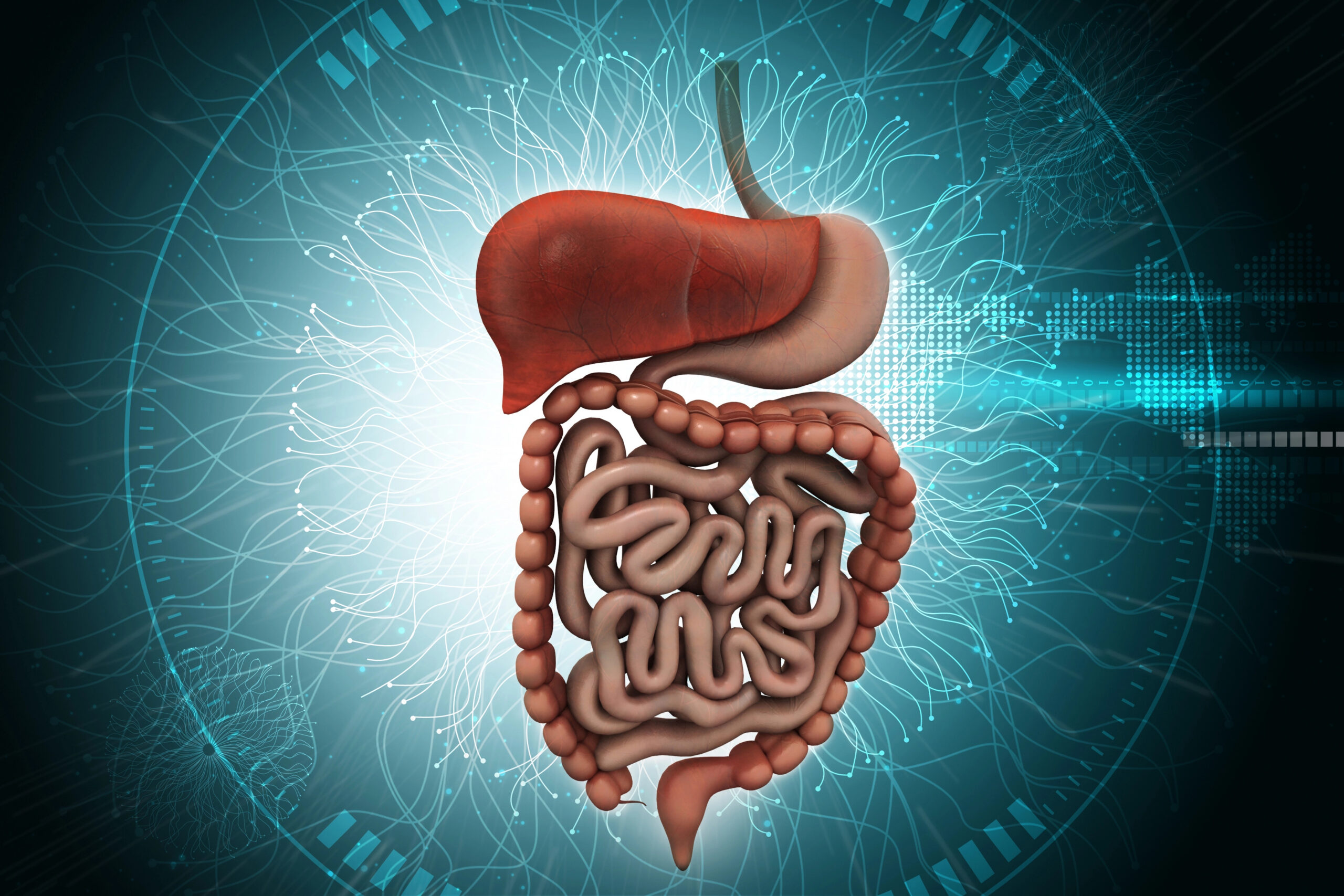
The profile covers several distinct layers of gut biology, each with its own relevance to how you feel:

The balance of beneficial, commensal, and opportunistic organisms — the ecosystem that produces neurotransmitter precursors, trains the immune system, and either supports or undermines the gut lining.

Pancreatic elastase-1 as a marker of enzyme sufficiency, plus fat and protein breakdown markers that show whether you're actually absorbing what you eat, or leaving fuel and nutrients on the table.

Calprotectin is a well-validated marker of intestinal inflammation. Elevated levels signal an inflamed gut lining — a direct upstream driver of the systemic inflammation that reaches the brain.

The gut's frontline immune antibody. Too low suggests a depleted mucosal defense; too high suggests active immune activation. Either pattern reshapes how we approach gut repair.

The fatty acids your bacteria make when they ferment fiber — butyrate especially. Butyrate fuels the cells of the gut lining, helps regulate inflammation, and is one of the most direct biochemical bridges between the microbiome and the brain.

Bacteria, yeast, and parasites that may be tipping the ecosystem — identified so they can be addressed without a scorched-earth approach to the whole microbiome.
Free 15-minute consultation to discuss your situation, answer your questions, and determine if we’re a good fit.
The gut and the brain are in constant, bidirectional conversation, and that conversation is biological, not metaphorical. The microbiome-gut-brain axis links the composition of your gut bacteria to mood, cognition, and stress reactivity through immune, endocrine, neural, and metabolite pathways, and microbiota alterations have been described across depression, anxiety, and other psychiatric presentations [1]. Short-chain fatty acids like butyrate are a central part of that signaling — mediating microbiota-gut-brain communication through effects on the gut barrier, the immune system, and the nervous system [2].
When the gut lining is inflamed and short-chain fatty acid production is low, the picture that shows up on GI Effects often explains symptoms that conventional workups leave as a mystery: the fatigue, the fog, the mood instability that tracks with digestion. This is frequently where the dots connect. Findings here corroborate findings elsewhere — an inflamed gut on GI Effects and depleted nutrients on other testing are usually telling the same story.
Your results direct the gut-repair work with precision instead of guesswork. Low pancreatic elastase points toward digestive enzyme support so you can actually absorb nutrients. Elevated calprotectin tells us the lining is inflamed and repair has to come before we push aggressive interventions. Low secretory IgA or low butyrate shapes the fiber, prebiotic, and targeted-probiotic strategy. Opportunistic overgrowth is addressed selectively, with the goal of restoring balance rather than sterilizing an ecosystem your brain depends on.
GI Effects is one of seven tests in our standard mental health bundle. It works alongside comprehensive blood biomarkers,advanced nutrient analysis, DUTCH hormone testing, food sensitivity testing , environmental toxicant screening , and genetic analysis to give the complete biological picture.
If you've already run a stool test — GI-MAP, a conventional GI pathogen panel, or an earlier GI Effects — send us the results. We integrate prior testing into your clinical picture, but GI Effects remains part of our standard bundle because it pairs microbiome data with functional markers of digestion, inflammation, and short-chain fatty acid production that a pathogen-focused panel doesn't capture.

GI Effects is high-yield for nearly everyone doing this work, but it's especially valuable for:
A note on the limits of stool testing. GI Effects is a single-timepoint snapshot, and the microbiome shifts with diet, travel, illness, and recent medications — so results reflect a moment, not an unchanging fingerprint. There is also no single agreed-upon definition of a “healthy microbiome,” which means we read the profile for meaningful functional patterns — inflammation, digestive insufficiency, low butyrate — rather than chasing an idealized species list. We treat GI Effects as one input interpreted in context, not a verdict. Full structure:
Free 15-minute consultation to discuss your situation, answer your questions, and determine if we’re a good fit.