
Most people who find their way to FxMed Mental Health have already done the work — therapy, medications, lifestyle changes — and still feel stuck. They’ve been told their labs are “normal.” They’ve been handed another prescription. What they haven’t been told is that the testing they’ve received barely scratches the surface of what’s actually driving their suffering. Sometimes the answers are biochemical. Sometimes they run deeper. Usually, both are true. They’re not treatment-resistant. They’re undertested.
Dr. Wiss built this practice for exactly that person.
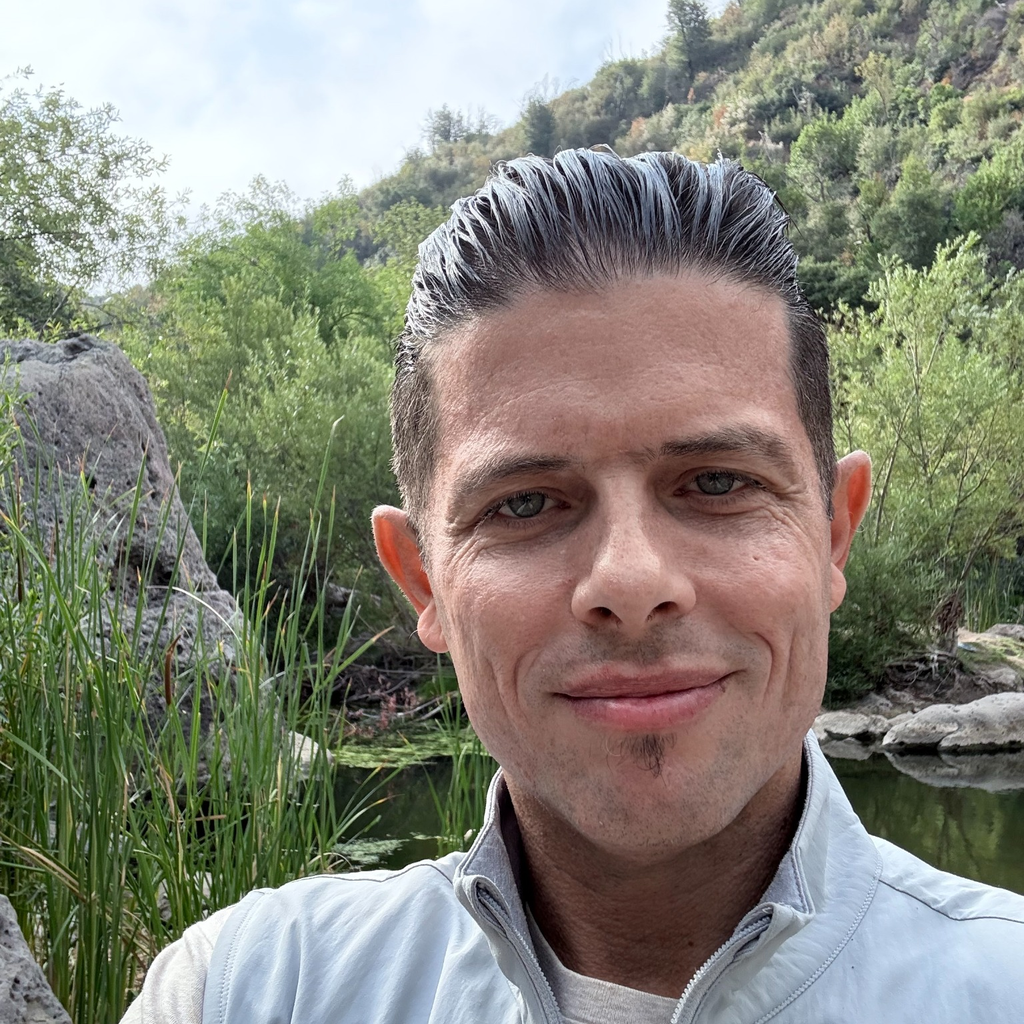
As a functional medicine clinician, registered dietitian nutritionist, and Institute for Functional Medicine Certified Practitioner (FMCP), Dr. Wiss approaches mental health the way a good detective approaches a complex case — following every biological thread until the real picture emerges. What he’s found, time and again, is that the body already knows what it needs. The work is learning to listen. In practice, that means integrating gut health, nutrient metabolism, hormonal function, genetics, immune dysregulation, and environmental exposures into a unified framework for understanding why someone isn’t getting better. The brain doesn’t operate in isolation, and neither does the care it receives.
Dr. Wiss holds a PhD in Community Health Sciences and has spent over 14 years in clinical practice at the intersection of nutritional psychiatry and mental health. He has authored more than 30 peer-reviewed publications on ultra-processed food, eating behavior, and mental health outcomes, and his research has been cited in outlets including The New York Times, National Geographic, and The Washington Post. He has received specialty training at Psychiatry Redefined and the Integrative Psychiatry Institute, and he is the creator of the Wise Mind Nutrition app, which brings evidence-based nutritional mental health support to a broader audience. He brings the same curiosity to the consulting room that he brings to the research literature: a willingness to sit with complexity until clarity emerges. His approach is informed not only by science, but by a deep respect for the healing intelligence encoded in living systems — intelligence that predates modern medicine and has quietly endured within it.
His clinical philosophy is simple: real answers require real investigation. When the biological foundations — gut integrity, nutrient status, hormones, genetics, detoxification capacity — are properly assessed and addressed, the kind of transformation that once felt impossible tends to become real.
If you’ve been told there’s nothing left to try, there’s a good chance no one has looked hard enough yet. That’s where this work begins — and for many people, where something long dormant starts to wake up.