

This is an optional, add-on layer — not part of our core seven-test mental health bundle. We order it case by case, when the clinical picture suggests it will actually change the plan. We’re selective about suggesting it, because these tools call for more careful interpretation than most testing. It combines two tools: Cyrex Array 20, a blood draw that assesses blood-brain barrier integrity, and the ZRT dried urine neurotransmitter panel, a dried urine collection done at home. Results generally return in roughly two to three weeks.
Cyrex Array 20 assesses the integrity of the blood-brain barrier — the specialized lining that normally keeps the brain’s environment tightly controlled and separated from the general circulation. The panel looks for antibodies against blood-brain barrier and brain-tissue proteins, which can indicate that the barrier has become more permeable than it should be. The concept parallels the “leaky gut” idea, one level up: when the barrier that’s supposed to protect the brain loosens, inflammatory signals and molecules from the periphery reach neural tissue more easily.
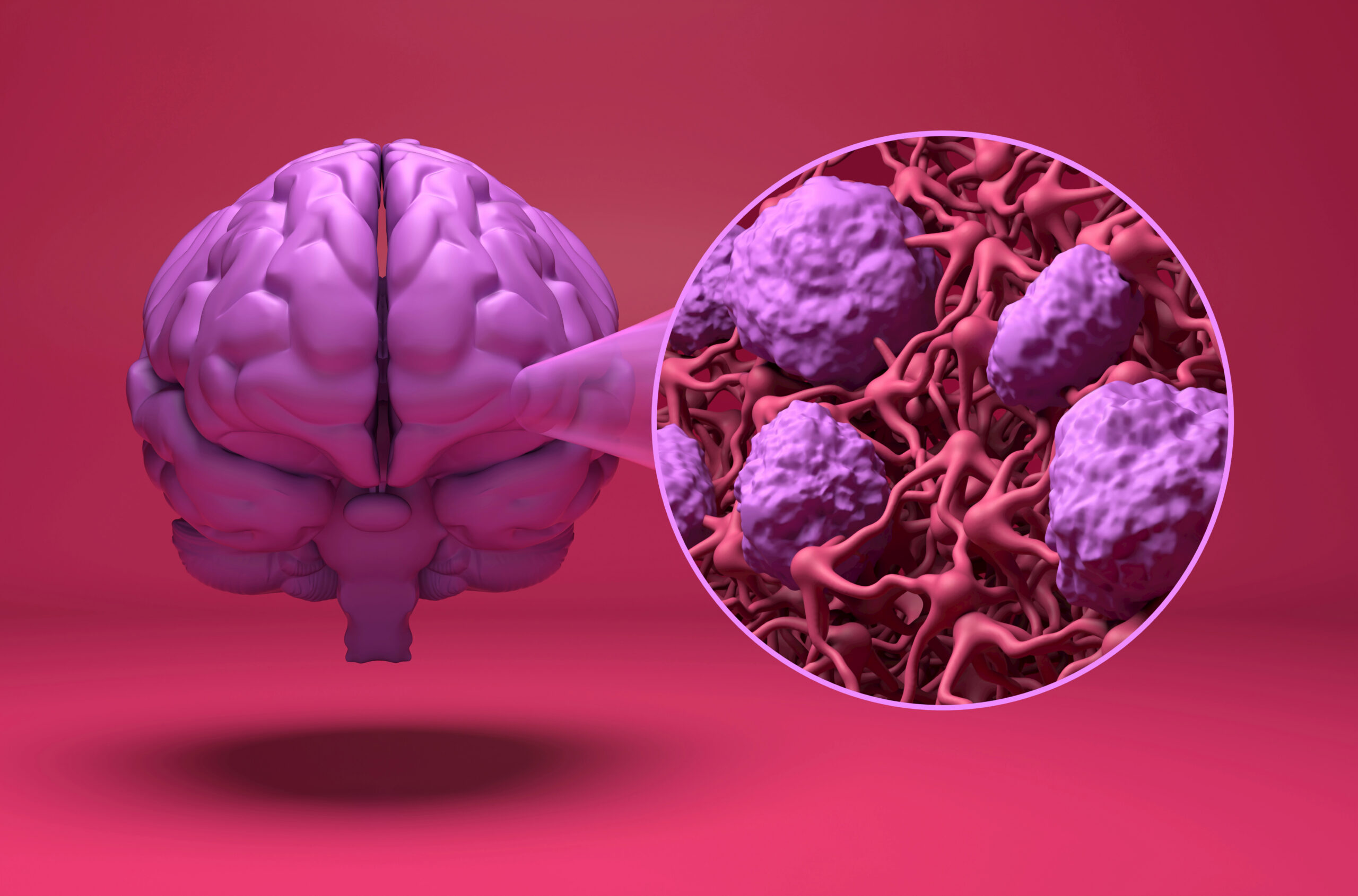
The ZRT dried urine panel measures neurotransmitters — including serotonin, dopamine, norepinephrine, epinephrine, GABA, and glutamate — along with related metabolites. Read appropriately, it offers a picture of overall neurotransmitter production and turnover and, importantly for how we use it, context for amino acid and precursor support. It adds a functional layer to the barrier data: not just whether the brain's boundary is intact, but what the broader neurotransmitter system looks like alongside it.
Free 15-minute consultation to discuss your situation, answer your questions, and determine if we’re a good fit.
The blood-brain barrier is increasingly understood as an active participant in mood disorders, not a passive wall. In a landmark model of depression, chronic social stress reduced the tight-junction protein claudin-5 and increased barrier permeability, allowing a peripheral inflammatory signal to reach the brain and produce depression-like behavior — and reduced claudin-5 was also found in the brains of people who had depression [1]. That work measured barrier proteins directly in brain tissue rather than through a blood-based antibody assay, so it establishes that barrier integrity matters in depression — not that any one panel measures it well. Still, it gives biological weight to the idea that barrier integrity is worth examining in stubborn, inflammation-tinged presentations.
There’s also a coherent thread connecting the two panels. A more permeable blood-brain barrier and a strained neurotransmitter system tend to travel together in the same inflammation-tinged, treatment-resistant presentations — and both intersect with the gut-brain and immune work already central to the program. Reading them alongside your core testing is often where a picture that hadn’t cohered starts to click into place.
The neurotransmitter data serves a specific, practical purpose: it informs precursor and amino acid support — which building blocks to consider and how to sequence them — rather than standing in for a direct readout of the brain.
Barrier findings shape how aggressively we prioritize reducing systemic inflammation and supporting barrier repair — the gut-brain and immune work already central to the program takes on added importance when the brain’s own barrier looks compromised. Neurotransmitter patterns inform how we think about amino acid precursors and cofactor support: which building blocks to consider, and how cautiously to introduce them. These decisions are always made in coordination with your prescribing provider, especially where you’re taking medications that act on the same systems.
Because this is an add-on rather than part of the standard bundle, it complements the core testing without replacing any of it. Its companion add-on is neural autoantibody and immune testing, which examines whether the immune system is reacting against neural tissue — a related question that often comes up in the same complex, treatment-resistant presentations.
If you've had neurotransmitter or barrier-related testing before, bring it. Prior data helps us judge whether this add-on will meaningfully change your plan before we order it.

We consider blood-brain barrier and neurotransmitter testing case by case, most often for:
A note on the limits — required reading, not fine print. Urinary neurotransmitter metabolites largely reflect peripheral neurotransmitter activity, not what is happening inside the brain. Most neurotransmitters do not cross the blood-brain barrier freely, so what appears in urine is dominated by production in the body’s periphery — and the correlation between peripheral and central neurotransmitter activity is genuinely contested in the scientific literature [2]. We do not claim this test maps your brain’s neurotransmitter levels. The barrier side carries its own caveat: blood-brain barrier antibody panels like Cyrex Array 20 are an emerging area whose clinical validity is not fully established, so we read Array 20 as one contributing signal within the whole picture rather than a verdict on the integrity of your barrier. So why use either at all? Because tracked over time and read as trend rather than absolute truth, and interpreted specifically as context for precursor and amino acid support, the data still informs clinical decisions — while we stay clear-eyed that these are peripheral and emerging windows, not a direct view of the brain. Full structure:
Free 15-minute consultation to discuss your situation, answer your questions, and determine if we’re a good fit.